Hello Interloper!
Menu
[47] 50 - 60 characters.
[102] 50 - 160 characters.
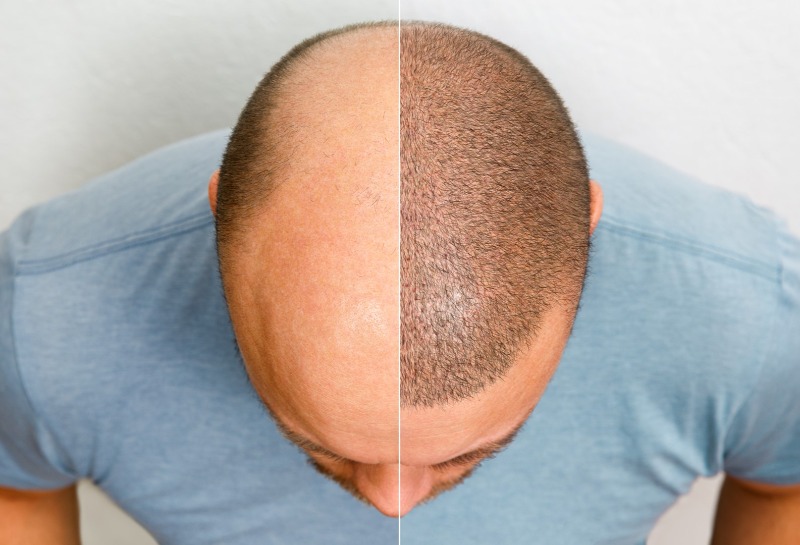
Over the past decade, there has been a maelstrom of debate surrounding the treatment of hair loss and hair transplants, with a complete solution seemingly always on the horizon, as rapid advancements are made and preconceptions are challenged.
The FUE (follicular unit extraction) method is often pitted against the more traditional ‘strip’ method, known as FUT (follicular unit transplantation).
The methods involve considerably different procedures and aftercare schedules but the end result is still a hair transplant. Below, we’ve brought together some of the differences to help you decide.
Over the past decade, there has been a maelstrom of debate surrounding the treatment of hair loss and hair transplants, with a complete solution seemingly always on the horizon, as rapid advancements are made and preconceptions are challenged. The FUE (follicular unit extraction) method is often pitted against the more traditional ‘strip’ method, known as FUT (follicular unit transplantation). The methods involve considerably different procedures and aftercare schedules but the end result is still a hair transplant. Below, we’ve brought together some of the differences to help you decide.
So what are the FUE and FUT methods?
The Follicular Unit Extraction (FUE) is a minimally-invasive transplantation method, which involves the use of a specialised hollow needle that makes a very small, circular incision around the follicles in the donor area. Each follicle is then extracted using medical forceps and handed over to the technical assistants for preparation in order to minimise the amount of time the follicles are openly exposed. After the extraction has taken place in full, each follicle is then implanted to a bald or thinning area. The donor area is typically the back of the head, where the hair follicles are strongest (evident in male pattern baldness). The potential donor areas (the hairs need to be strong and healthy enough) will be a deciding factor in whether you are a suitable candidate for the procedure.
The Follicular Unit Transfer (FUT) method involves transplanting follicles from a surgically extracted strip of the scalp on the back of the head to the new hairline. The ‘strips’ are dissected under a microscope into individual follicular units. The procedure leaves a linear scar, which often means that hair needs to be worn long enough to cover the scar. Results achieved through FUT can be satisfactory – but this again depends on the surgeon’s skills. The aftercare associated with FUT is substantial, as extra care and attention needs to be paid to the healing process of the donor area.
The FUE procedure is more expensive than the FUT method as it requires considerably more time to perform but a primary advantage is the amount of post-operative care necessary in comparison to FUT. The FUE method involves minimal downtime, whereas the FUT method requires special hourly care for 2 days and a regime for the first month after treatment.
Specialisations
A surgeon can also harvest follicles from chest hair but it requires extensive expertise. In addition, hair transplants involving Afro hair demand unique and considerable expertise to get right, so ensure you consult with an experienced medical team.
Summary
Both procedures have their benefits and downsides; the world rarely tends to work otherwise. There is also a wealth of information out there to confuse and tantalise. Pictures of botched jobs should never be used to sway patients. Each patient reacts differently to the procedures and some will benefit more than others from one. It is important to understand both procedures before choosing.
Please remove the banner below to add another.

Please remove the thumbnail below to add another.
YouTube: Share a video and copy the link e.g. https://youtu.be/mTFcjOAInO4
Vimeo: Open a video and copy the URL e.g. https://vimeo.com/63995850